
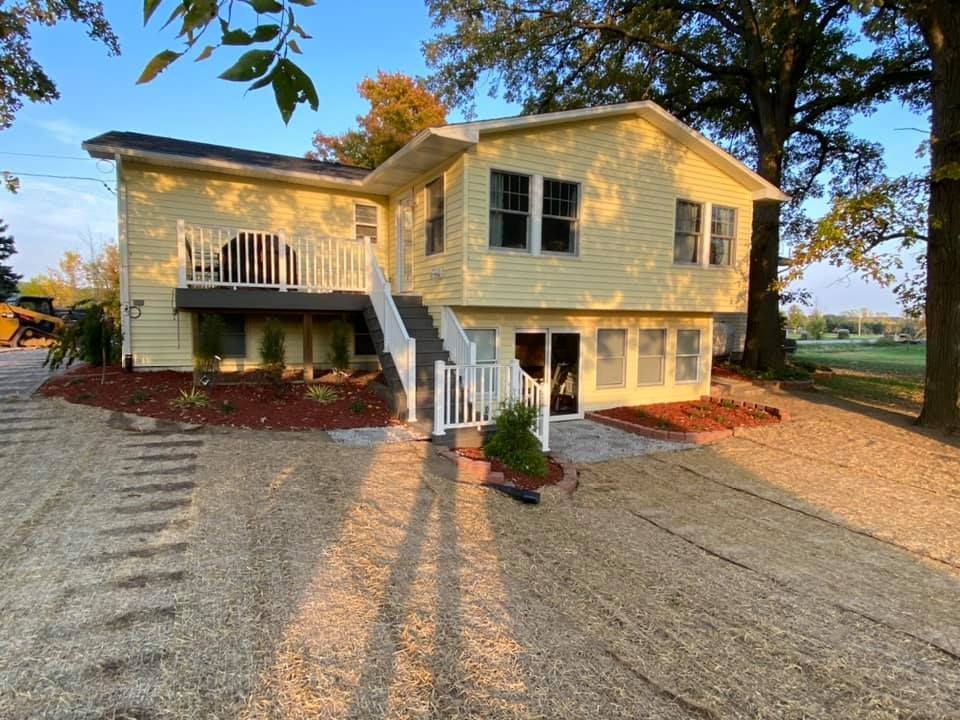
Site Prep Built for Long-Term Results
Residential Excavation Services in Owosso for property expansions, landscaping projects, and new construction site preparation
Porter Outdoor Services handles residential excavation projects in Owosso, from site preparation for new construction to grading work that sets up landscaping and property improvements. Homeowners expanding their property, adding outbuildings, or preparing land for major yard work need excavation that accounts for local soil composition and terrain. Knowledge of Owosso soil conditions—particularly clay-heavy areas that affect drainage and compaction—directly improves how efficiently excavation proceeds and how well the finished grade performs over time.
This service includes trenching for utilities, grading to establish proper slope, and site preparation that removes obstacles and creates a stable base for whatever comes next. Each project involves evaluation of existing terrain, identification of drainage patterns, and decisions about cut-and-fill ratios that determine how much material stays on-site versus what gets hauled away. Professional equipment allows precise depth control and minimizes disruption to areas outside the work zone.
Request a site evaluation to identify grading requirements and material volumes for your property project.
What Proper Site Preparation Requires
Excavation work begins with marking utility locations and assessing soil type, which dictates equipment selection and compaction methods. Clay soils common in mid-Michigan require different handling than sandy or loamy ground—compaction standards change, moisture content affects workability, and the timeline adjusts based on how the material behaves under equipment weight. Grading establishes drainage flow away from structures and creates level building pads that won't settle unevenly after construction begins.
After excavation, you'll see a site with defined elevations, stable soil that's been compacted to specifications, and clear drainage paths that prevent water from pooling near foundations or hardscaping. Trenches for utilities appear at the correct depth with straight walls, and any fill material is placed in lifts and compacted incrementally rather than dumped in one mass. The difference between rushed excavation and careful site prep shows up months later when driveways don't crack from settling and basements stay dry during spring thaw.
Residential excavation projects vary widely in scope—some involve removing several feet of material across half an acre, while others require precision trenching within inches of existing structures. Equipment size and access routes get planned around your property's layout, and the work schedule adjusts to avoid conflicts with other trades on new construction projects. Site conditions like high water tables or rocky subsoil sometimes require modified approaches that aren't apparent until excavation begins.
Homeowners planning site work often want to understand how excavation fits into their larger project timeline and what site-specific factors affect the approach.
Questions Before Starting Your Project
What site information do you need before providing a quote?
Accurate quotes require knowing project scope, site access for equipment, soil type if known, and whether utilities need locating. Site visits reveal slope conditions and drainage patterns that affect the work plan.
How does Michigan freeze-thaw affect excavation timing?
Frozen ground prevents excavation from late December through March in most years, and spring thaw creates saturated soil that's difficult to compact properly. Fall and early winter before hard freeze offer stable conditions, while summer work avoids weather delays.
What happens to excavated material?
Material can be redistributed on-site for grading if soil quality is suitable, stockpiled for future use, or hauled off depending on project needs and local disposal options. Clay soils often stay on-site for fill, while organic topsoil gets stripped and saved separately.
How do you prevent damage to existing landscaping?
Equipment paths get planned to minimize ground disturbance, and exclusion zones protect trees and plantings. Mats or plywood distribute equipment weight when working near features that can't be avoided, and finish grading restores areas outside the primary work zone.
What distinguishes rough grading from finish grading?
Rough grading establishes major contours and drainage flow within a few inches of final elevation, while finish grading brings surfaces to exact specifications needed for concrete, pavers, or seeding. Most projects include both phases with finish work happening after utility installation.
Porter Outdoor Services schedules residential excavation based on project requirements and site conditions specific to each property. Contact us with your project details to arrange a site visit and receive a detailed estimate.