Job Site Coordination That Meets Project Timelines
Commercial Excavation Services in Owosso for site development, property improvements, and contractor support on scheduled builds
Commercial projects demand excavation work that integrates with contractor schedules, meets engineered specifications, and keeps development timelines on track. Porter Outdoor Services provides commercial excavation in Owosso for builders, developers, and property managers working on retail sites, industrial facilities, and multi-unit developments. Larger-scale grading and excavation require equipment capable of moving significant material volumes while maintaining the precision needed for engineered drawings, and coordination with other trades determines when each phase of site work proceeds.
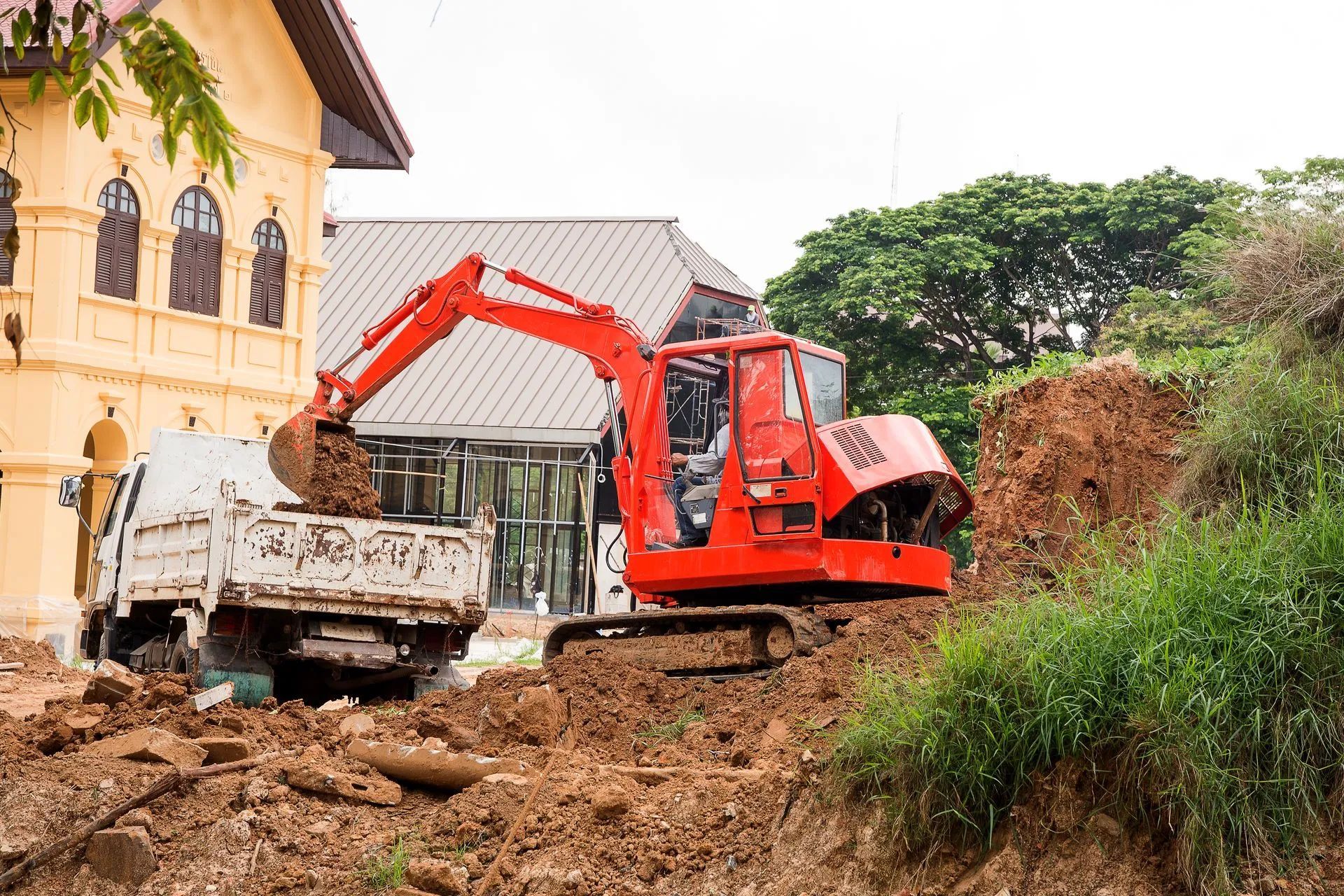
This work involves clearing and grubbing to remove vegetation and debris, mass excavation to reach specified subgrade elevations, and utility trenching that follows engineered plans. Projects often include stormwater management features, detention pond excavation, and site grading that directs runoff according to municipal requirements. Professional equipment allows continuous operation that matches project pace, and experienced operators read grade stakes to maintain elevations within tolerance.
Contact us directly for project planning sessions and bid preparation based on your development specifications.
How Commercial Excavation Addresses Development Needs
Commercial site preparation follows engineered plans that specify cut-and-fill quantities, compaction densities, and elevation tolerances measured in tenths of a foot. The process begins with stripping organic material that can't support structures, then proceeds through benching and bulk excavation to reach bearing strata or engineered fill depths. Compaction happens in controlled lifts—typically eight to twelve inches of loose material compacted to ninety-five percent standard proctor density for areas under pavement or structures.
Completed excavation produces a site with stable subgrade at specified elevations, utility corridors trenched to correct depth and slope, and drainage features that handle calculated runoff volumes. You'll notice defined building pads that match foundation plans, access roads graded for equipment traffic, and stockpiled topsoil reserved for final landscaping. Testing and verification ensure compaction meets engineering requirements before construction proceeds, preventing settlement issues that emerge after buildings are complete.
Job site safety protocols include daily inspections of excavation walls, proper sloping or shoring for trenches deeper than four feet, and coordination with utility companies when working near existing infrastructure. Weather delays get communicated immediately since commercial schedules often involve multiple contractors whose work depends on excavation completion. Site conditions sometimes require dewatering systems, rock removal, or soil stabilization that wasn't apparent during initial survey work.
Developers and contractors evaluating excavation partners want to understand capabilities, scheduling flexibility, and how site-specific challenges get managed.
Answers to Frequent Service Questions
What scale of projects can you handle?
Equipment and crew capacity support projects from small commercial additions through multi-acre site developments. Larger projects may involve phased excavation that matches construction sequencing rather than completing all earthwork upfront.
How do you coordinate with general contractors and engineers?
Regular communication includes progress updates, grade verification before inspection, and immediate notification of subsurface conditions that differ from plans. Site meetings establish work sequences and identify potential conflicts before they affect the schedule.
What documentation do you provide for compaction and grading?
Projects requiring engineered certification work with third-party testing firms who verify compaction density and moisture content. Finish grade documentation includes as-built surveys showing final elevations compared to plan specifications.
How does Owosso soil composition affect commercial excavation?
Clay soils prevalent in the area require moisture management during excavation and careful compaction control to prevent future settlement. Wet weather can halt work until moisture content drops to acceptable levels for proper compaction.
What happens when rock or unsuitable material appears during excavation?
Differing site conditions get documented immediately with photos and depth measurements, then communicated to the engineer or project manager. Solutions might include deeper excavation and replacement with engineered fill, rock breaking, or design modifications depending on structural requirements.
Porter Outdoor Services maintains scheduling reliability that keeps commercial projects moving forward without excavation delays. Reach out with your project timeline and site plans to discuss coordination and bid preparation.