
Water Management That Protects Property Long-Term
Drainage Solutions and Retaining Wall Installation in Owosso for erosion control, foundation protection, and water pooling elimination
Water pooling near foundations, soil erosion on slopes, and runoff that undermines landscaping indicate drainage problems that worsen with every rain event and spring thaw. Drainage systems redirect water to safe discharge points, while retaining walls hold back soil on grade changes and create usable space on sloped properties. Porter Outdoor Services installs drainage solutions and retaining walls in Owosso that address both immediate water issues and long-term property protection, accounting for soil type and seasonal water table fluctuations common in mid-Michigan.
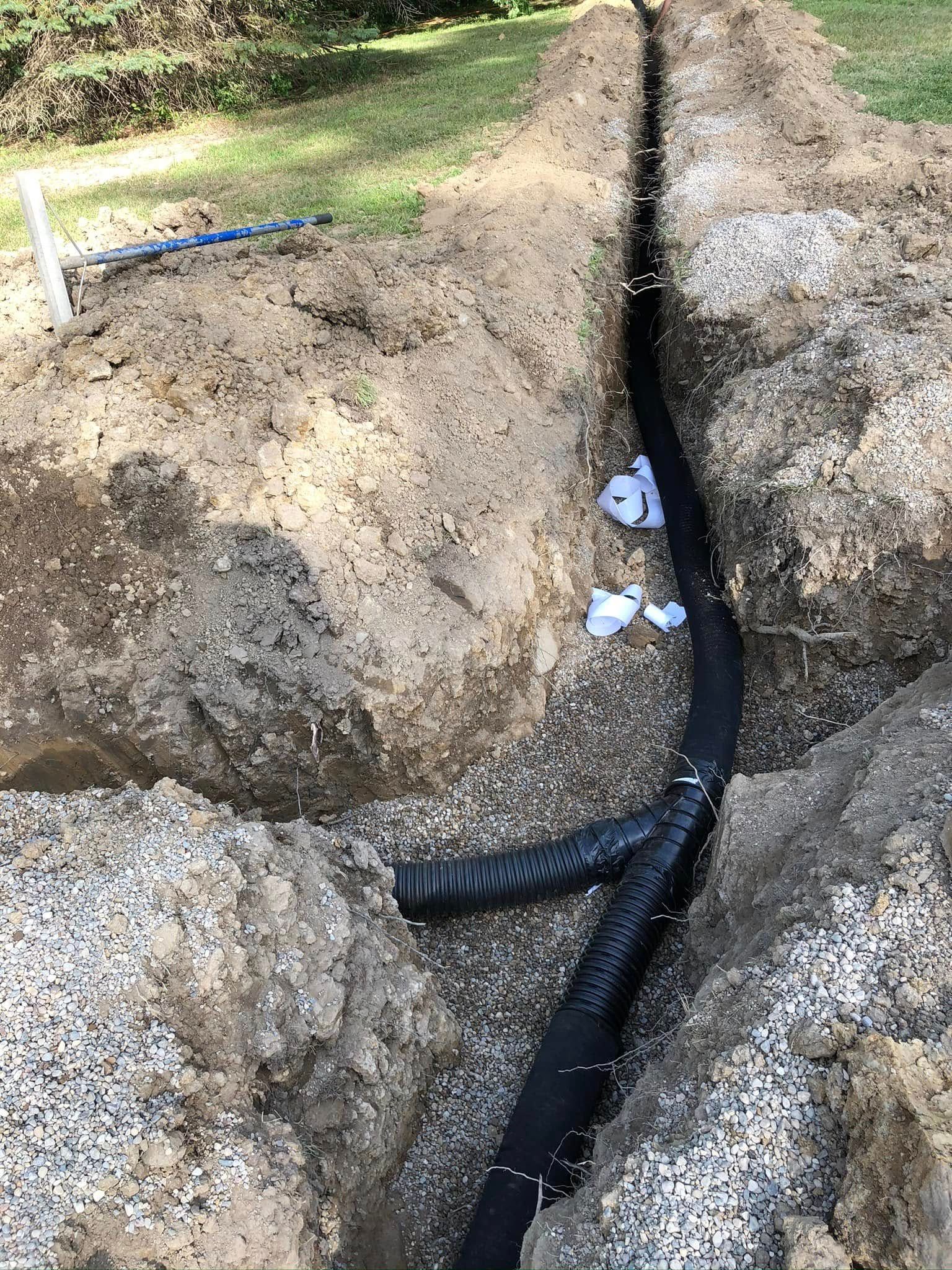
Drainage work includes installing perforated pipe in gravel-filled trenches that intercept subsurface water, creating surface channels that handle runoff during heavy storms, and establishing positive grade that moves water away from structures. Retaining walls range from functional installations that simply hold back soil to designed features that combine structural necessity with landscape appeal. Each solution gets tailored to the property's slope, soil composition, and how water currently moves across the site.
Arrange a drainage assessment to identify water flow patterns and design solutions specific to your property conditions.
What Drainage Systems Actually Accomplish
Effective drainage requires understanding where water originates, how it travels across your property, and where it can safely discharge without creating problems downstream. French drains intercept subsurface water before it reaches foundations or low areas, using perforated pipe surrounded by graded stone that allows water entry while filtering out soil particles. Surface drainage uses swales or catch basins to handle stormwater runoff, directing it toward outlets that won't cause erosion or flooding. Installation involves excavating trenches to proper depth and slope—typically one-quarter inch drop per foot of run—then bedding pipe in clean stone and backfilling with appropriate material.
After installation, water that previously pooled near your foundation or flooded low spots gets redirected to designated discharge areas, basements stay dry during spring thaw and heavy rains, and erosion stops undercutting hardscaping or washing out landscape beds. You'll notice the ground dries faster after storms, soggy areas become usable, and runoff no longer carves channels through your yard. Retaining walls create level terraces on slopes, prevent soil from sliding downhill, and establish planting beds or patio areas where grade previously made construction impossible.
Retaining wall construction involves excavating to stable bearing soil, installing gravel base for drainage behind the wall, and building in increments that account for soil pressure and wall height. Walls taller than three feet often require engineered specifications and proper backfill material that won't retain water and add pressure. Drainage considerations include weep holes or perforated pipe behind walls to prevent hydrostatic pressure from building up during wet periods.
Homeowners dealing with water problems want to understand how drainage systems work and what solutions fit their specific site conditions.
What Property Owners Usually Ask
How do you determine where drainage problems originate?
Site evaluation identifies high and low points, observes existing water flow during or after rain, and notes where ground stays saturated. Soil type affects how quickly water percolates—clay soils in Owosso drain slowly and often require subsurface drainage, while sandy areas may only need surface grading improvements.
What materials do you use for drainage installations?
Perforated drainage pipe is typically four-inch corrugated or solid PVC depending on application, surrounded by clean crushed stone that allows water movement. Fabric sock or filter fabric prevents soil infiltration while maintaining flow capacity over time.
How long does a properly installed drainage system last?
Systems installed with correct slope and quality materials function for decades if discharge points stay clear and settling doesn't alter pipe grade. Maintenance involves periodic inspection of outlets and removing debris that might block flow.
What retaining wall options work best for drainage situations?
Block systems with built-in drainage features work well for residential applications, while poured concrete or timber walls suit different aesthetic or structural needs. Wall selection depends on height requirements, soil conditions, and whether the wall serves functional or decorative purposes.
Can drainage solutions work on properties with high water tables?
High water tables require systems designed to intercept and redirect subsurface water continuously rather than just handling storm events. Solutions might include sump systems, curtain drains around structures, or raising finished grade in problem areas.
Porter Outdoor Services designs drainage and retaining wall solutions based on how water actually behaves on your specific property. Request a consultation to discuss water issues you're experiencing and review options tailored to your site.